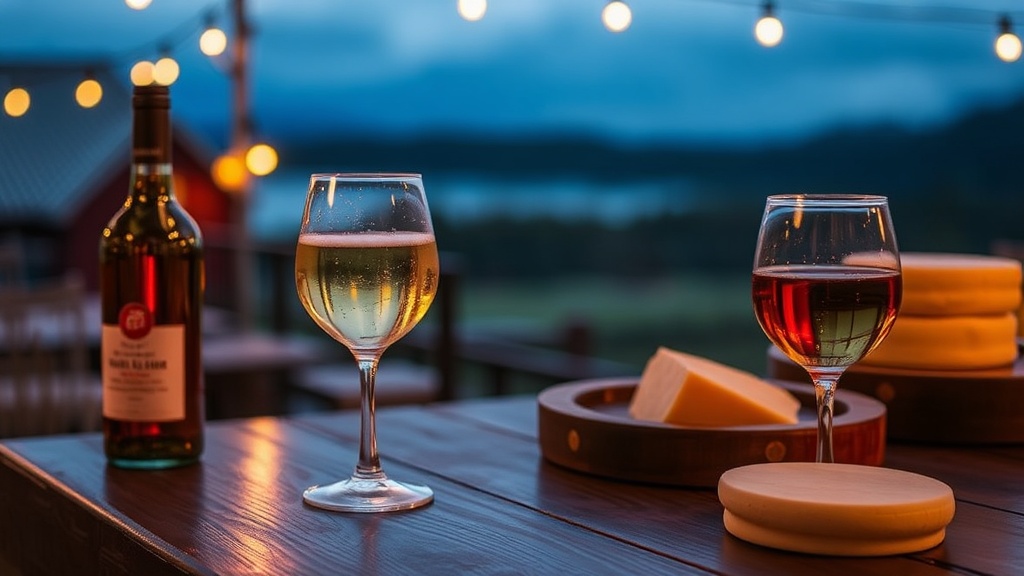
Finding the Best Local Cheese and Cider in Charlevoix

The sharp, salty tang of a well-aged cheddar hits the back of your throat right before the crisp, acidic snap of a cold apple cider cleanses the palate. This is the sensory fingerprint of Charlevoix. This guide identifies the specific producers, varieties, and pairings you need to find the absolute best cheese and cider in our region, ensuring you don't waste a trip to a generic grocery store when the real gems are tucked away in local farm shops.
Charlevoix isn't just a scenic view; it's a food-first destination. We have a unique microclimate here—the combination of the St. Lawrence River's influence and the surrounding mountains creates a perfect environment for high-fat milk production and hardy orchards. You aren't just buying food here; you're buying a piece of the local terroir.
Where Can I Buy the Best Artisanal Cheese in Charlevoix?
You should head directly to the specialized farm-to-table shops and creameries located in areas like Baie-Saint-Paul and La Malbaie to find the highest quality cheese. While many shops carry standard brands, the real magic happens at the source-specific boutiques.
If you want the gold standard, you need to look for Migneron de Charlevoix. They are arguably the most famous name in the region for a reason. Their products, specifically the "Le Migneron" or their various aged cheddars, represent the pinnacle of Quebecois cheesemaking. It's not just about the flavor; it's about the texture that only comes from traditional methods.
Don't overlook the smaller producers either. There is a certain charm to finding a small-batch goat cheese at a roadside stand that you won't find in Montreal or Quebec City. These small-scale operations often use much higher quality milk because they aren't trying to meet the volume demands of a massive supermarket chain. It's a different level of care.
Here are a few specific varieties to look for when you're browsing the shelves:
- Le Migneron de Charlevoix: Look for their aged versions if you want something with a bit of a bite.
- Fermiers Cheeses: Often found in local boutiques, these are more rustic and have a much deeper character.
- Goat Cheese (Chèvre): The local pastures are perfect for goats, resulting in a creamy, bright cheese that pairs perfectly with honey.
It's worth noting that many of these producers are part of the Terroir Québec movement, which guarantees certain standards of production and local sourcing. When you see that branding, you know you're getting the real deal.
"If you see a cheese that looks a bit more 'imperfect' or has a natural rind, buy it. That's usually where the most complex flavors live." — Gabriel
What Are the Best Cider Varieties to Pair with Local Cheese?
The best cider to pair with cheese in this region is a dry, hard apple cider that provides a sharp contrast to the creaminess of the cheese. While many people expect sweet fruit ciders, the locals here tend to favor the more sophisticated, dry profiles.
Charlevoix has a long history of apple cultivation. The apples grown in our orchards are often more acidic and robust than the mass-produced varieties you see in the US or even Southern Quebec. This acidity is what makes our cider such a powerhouse for food pairing. It cuts right through the fat of a heavy cheese, acting as a palate cleanser between bites.
I recommend looking for these specific types of cider when building your board:
- Dry Hard Cider: This is your go-to for aged cheddars or blue cheeses. The lack of sugar allows the cheese to be the star.
- Semi-Sweet Cider: A good middle ground if you are eating a younger, creamier goat cheese.
- Apple Sparkling Cider: Perfect for a more festive vibe, though it lacks the complexity of the fermented hard ciders.
If you want to understand the science behind why these flavors work so well together, the Wikipedia page on Cider offers a great breakdown of fermentation and acidity levels. It's a fascinating read if you're a bit of a nerd about your drinks.
A Quick Guide to Pairing
To make your next gathering or picnic easier, use this quick reference table. It'll save you from the awkwardness of a bad pairing.
| Cheese Type | Recommended Cider Style | Flavor Profile |
|---|---|---|
| Aged Cheddar | Dry Hard Cider | Sharp, Acidic, Cutting |
| Creamy Goat Cheese | Semi-Sweet Cider | Balanced, Fruity |
| Blue Cheese | Strong, Complex Cider | Robust, Bold |
| Fresh Brie/Camembert | Light Sparkling Cider | Bright, Refreshing |
It's a simple rule of thumb: the heavier the cheese, the more structural the cider needs to be. If you pair a heavy, pungent blue cheese with a thin, sugary cider, the cheese will win every time—and not in a good way. You'll lose the nuances of both.
How Much Should I Expect to Pay for Premium Local Products?
Expect to pay a premium for quality, usually ranging from $12 to $25 for a standard wedge of artisanal cheese or a bottle of high-end hard cider. While this is higher than what you'll find at a big-box retailer, you're paying for the labor-intensive processes and the high quality of the raw ingredients.
Don't be shocked by the price tags at the specialized farm shops. When you buy a wedge of Migneron, you aren't just paying for cheese; you're supporting a local supply chain that keeps our rural economy alive. There's a massive difference between "industrial" cheese and "artisanal" cheese. One is a commodity; the other is a craft. You can taste that difference immediately.
If you're traveling through the region, I'd suggest setting aside a specific "food budget" for your trips to the local boutiques. It's easy to get caught up in buying a little bit here and a little bit there, but if you want to bring home a proper gift or a truly impressive board, it's better to buy one or two high-quality items rather than five mediocre ones.
A great way to experience this without a massive upfront cost is to visit one of the local markets. Often, you can find smaller samples or smaller-sized portions that allow you to test the waters before committing to a full-sized wedge. It's a smart way to shop.
If you're looking for more ways to enjoy the region, check out my post on 12 unforgettable things to do in Charlevoix. There's plenty to do besides eating, though I'll be honest—it's hard to focus on the scenery when the food is this good.
When you're out exploring, look for the "Produit du Québec" labels. These aren't just marketing gimmicks; they are a sign that the product adheres to specific regional standards. It's the best way to ensure you aren't getting an imported imitation of the flavors we're so proud of here.
The next time you find yourself driving through the valleys of Charlevoix, don't just pass by the farm stands. Pull over. The best flavors in the province are usually found just off the main highway, tucked behind a wooden sign or a simple farm gate. It's worth the detour.