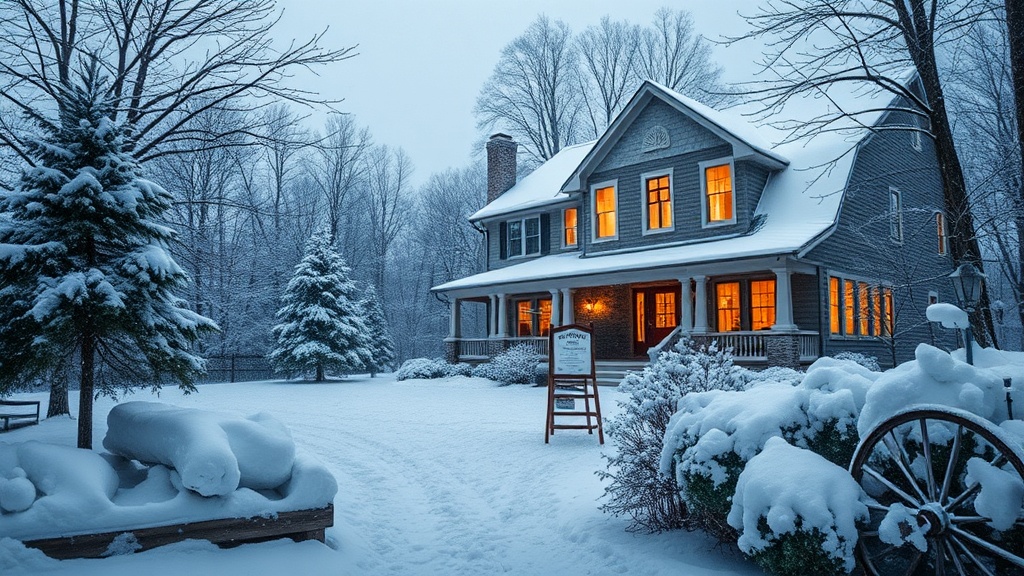
Preparing Your Charlevoix Home for the Heavy Snowfall Season

Why generic winter advice fails our Charlevoix winters
People often think that a standard snow shovel and a bag of salt are enough to survive a Charlevoix winter. They're wrong. We don't just get a little dusting here; we get the heavy, wet snow that sticks to everything, and our local topography—from the steep hills in Baie-Saint-Paul to the coastal winds in Les Éboulements—creates microclimates that can bury a driveway in minutes. If you aren't prepared for the specific weight of our local snow, you'll find yourself stuck before the first big storm even hits. This guide focuses on the practical, unglamorous work of winterizing your property to ensure our community stays mobile and safe when the temperatures drop.
We've lived through enough winters in the Charlevoix region to know that a little foresight saves a lot of back pain. It isn't about being an expert; it's about understanding how our local environment behaves. Whether you live in a historic home near the streets of La Malbaie or a newer build in the outskirts, the physics of snow accumulation remains the same. We need to look at our gutters, our heating systems, and our outdoor access points long before the first frost arrives.
How do I protect my gutters from ice dams in Charlevoix?
One of the biggest headaches for homeowners in our region is the formation of ice dams. Because our winters are unpredictable—sometimes freezing, sometimes thawing—the melting snow from your roof often freezes at the eaves. This pushes water back under your shingles, which can lead to massive damage inside your home. To prevent this, we recommend a few specific steps that go beyond just clearing the snow.
- Check your attic insulation: If heat is escaping your living space into your attic, it's melting the snow on your roof. This is a common issue in older Charlevoix homes.
- Install heat cables: In areas like Saint-Siméon or the more elevated parts of Baie-Saint-Paul, installing heat cables in your gutters can prevent ice buildup.
- Clear your downspouts: Make sure your downspouts discharge far enough away from your foundation. If water pools near your basement in a Charlevoix spring thaw, you'll have problems.
If you find yourself struggling with a particularly nasty blockage, don't hesitate to look up local services. You can find detailed information about municipal drainage and seasonal maintenance through the Ville de Baie-Saint-Paul website, which often discusses public works and local infrastructure needs.
What equipment does a Charlevoix resident actually need?
Don't waste money on a high-tech gadget if a sturdy shovel does the job. However, the heavy, wet snow we get in the Charlevoix valley is different from the light powder found in the mountains. It's dense. If you have a large property, a high-quality snowblower is almost a necessity for daily life. A shovel alone won't cut it when the wind picks up from the St. Lawrence and drifts snow against your garage door.
We suggest keeping a dedicated "winter kit" in your garage or basement. This should include more than just a shovel. You'll need high-traction footwear for your stairs, extra salt (but use it sparingly on concrete to avoid damage), and perhaps a heavy-duty scraper for your car windows. For those living on steeper streets in our community, having a small amount of sand can also provide better traction than salt on icy patches.
| Item | Why it matters in Charlevoix | Frequency of Use |
|---|---|---|
| Heavy-duty Snowblower | To handle dense, wet snow-drifts | Weekly/After Storms |
| Ice Melt (Calcium Chloride) | For icy patches on walkways | As needed |
| LED Work Light | To see while shoveling in the dark | During winter months |
Remember, visibility is a major safety factor during our long winter nights. If you're out clearing your path in the evening, ensure you have a bright, reliable light source. It's not just for your safety, but for the safety of neighbors or local delivery drivers navigating our roads.
How can I prevent frozen pipes during a cold snap?
A sudden drop in temperature can be brutal on a home's plumbing. In the Charlevoix region, we often see temperature swings that can cause pipes to expand and crack. This is especially true if you have older-style plumbing or pipes running through uninsulated exterior walls. To prevent a disaster, we recommend a proactive approach to your heating and water systems.
First, identify any "problem areas" in your home—places that always feel a bit drafty or cold. These are your high-risk zones. Second, ensure your water heater is properly insulated and located in a temperature-controlled area. If you have outdoor faucets, make sure to disconnect hoses and shut off the water to those lines before the first freeze. This simple step prevents the water from freezing inside the pipe and causing a burst.
For more information on local weather patterns and how they impact the region, the Environment Canada site provides reliable data that can help you anticipate when to take extra precautions. If you see a deep freeze coming, it's a good time to check your furnace filters and ensure your heating system is running efficiently. A well-maintained system is your best defense against the unexpected.
Lastly, don't forget your outdoor water spigots. Even if you've disconnected the hose, the water remaining in the pipe can freeze and crack the fixture. A simple insulated cover can make a huge difference. In our community, we rely on each other to stay prepared, and part of that is ensuring our own homes are ready for the elements. A well-prepared house is a safe house, and that contributes to the resilience of our entire Charlevoix neighborhood.